Today, I’m stepping away from my usual coffee-related topics to share valuable insights into Japan’s diverse international exchange programs. As a Korean, I’ve had the privilege of participating in several of these programs, which have allowed me to build an extensive global network. These connections have been invaluable to my research and business ventures, including my work with the coffee industry.
If you’re visiting my blog and are interested in international exchange programs in Asia, particularly Japan, I hope this post provides helpful information. While Korea also runs similar programs through the government and public institutions, I’ll focus on those in Japan, as I can best speak to these experiences.
1) Cultural Exchange Program by the Japan Foundation
I hold a master’s degree in arts management from Korea, which opened the door for me to apply for the Japan Foundation’s cultural exchange program. The program offers 2-month, 4-month, or 8-month options, and I was fortunate to be selected for the 8-month course. From October 2005 to June 2006, I had the opportunity to live at the Kansai Center of the Japan Foundation and immerse myself in Japanese culture.
The participants in the program were from various countries, such as Cambodia, Canada, and others, with one or two representatives from each nation. It was an incredible experience to meet people from countries I had only heard of, and to share meals, study, and travel together.
This program is an invitation-only initiative for researchers, aimed at improving their Japanese language skills for work related to Japan. Between 2000 and 2008, around 142 researchers from nations such as the United States, United Kingdom, Australia, and South Korea took part in the program. The Japan Foundation remains a valuable resource for anyone seeking cultural exchange opportunities in Japan.
2) Hitotsubashi University: A Gateway to Academic and Cultural Growth
Thanks to this cultural exchange program, I was able to learn Japanese and later pursue a master’s degree in sociology at Hitotsubashi University in Japan, where I started researching Ethiopian coffee tourism. Although Hitotsubashi University isn’t large, it’s a well-regarded national university located about 30 minutes west of central Tokyo. I joined the international development seminar at the university, which provided excellent opportunities for research and cross-cultural learning.
Initially, adapting to the department was challenging due to my limited Japanese proficiency, and I was later told that my supervisor had concerns about my ability to adjust to the program, despite my promising research topic. However, after successfully completing my master’s degree, I received a scholarship to pursue a Ph.D. at the University of Exeter in the UK, where I continued my research on Ethiopian coffee tourism.
Hitotsubashi University offers research space even for master’s students, and alumni assist international students in finding affordable dormitories. The dorms have excellent facilities, including a large swimming pool. The nearby Tama River and walking trails were also among my favorite spots.
3) The Ship for World Youth (SWY): Building Global Connections
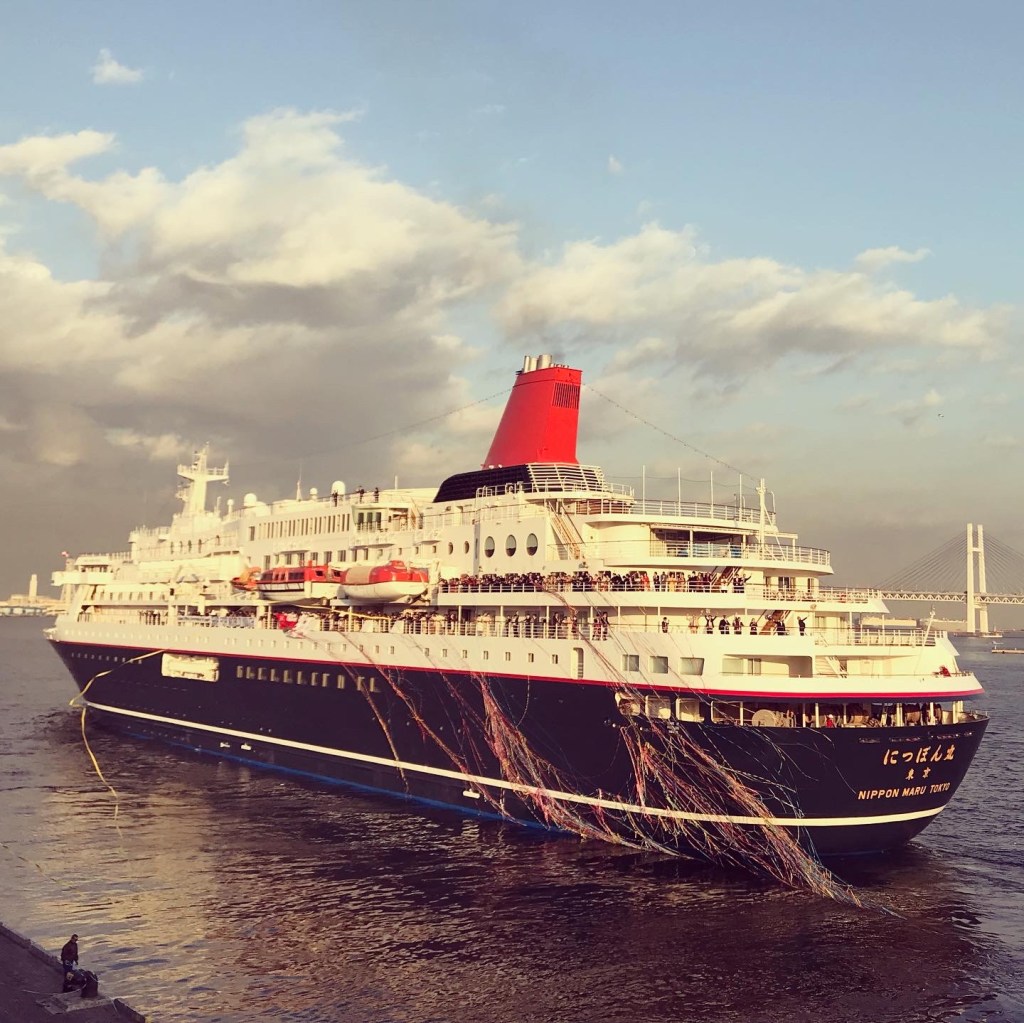
Another extraordinary program I participated in is the Ship for World Youth (SWY, 「世界青年の船」), managed by the Japanese Cabinet Office. This initiative aims to foster global leadership and cultural understanding. It was originally established as a government-run version of the Peace Boat program, which won the Nobel Peace Prize in 2007. As a speaker on Responsible Tourism and program administrator, I had the privilege of working with participants from diverse countries, including India, where the competition rate for participation is reportedly 7,000 to 1.
I sailed on the Pacific route, visiting countries like Vanuatu, Solomon Islands, Fiji, and New Zealand. I was responsible for participants from Tonga, and the memories of our time together are still vivid. Since its inception in 1989, over 66 countries have participated in the SWY program, and some alumni have gone on to become influential leaders, including heads of states and organizations like UNDP.
The program traditionally operated on a cruise ship, but during the pandemic, it went on hiatus. It has since resumed with expanded participation, including landlocked nations like Ethiopia, which participated for the first time last year. If any Ethiopian participants are reading this, I would love to connect!
In addition to the SWY, the Ship for Southeast Asian and Japanese Youth Program (SSEAYP), another initiative by the Japanese Cabinet Office, allows cultural exchanges at sea, primarily for ASEAN countries.
A Dynamic and Exciting Experience
Having spent nearly four years in Japan, my experience in international exchange programs was dynamic and enriching. Meeting people from all over the world, sharing cultural insights, and building lasting connections made my time in Japan truly unforgettable. If the opportunity arises, I would love to return to Japan in the future to continue expanding my research and global network.
Discover more from Coffee Odysseys
Subscribe to get the latest posts sent to your email.


1 comment