Ethiopia, officially the Federal Democratic Republic of Ethiopia, is a landlocked country in East Africa with a population of around 110 million, making it the second-most populous nation on the continent after Nigeria. It shares borders with Eritrea, Djibouti, Sudan, South Sudan, Kenya, and Somalia. Despite its geographic location, direct flights connect Incheon Airport in Korea to Bole Airport in Addis Ababa. Ethiopia is six hours behind Korea.
Uniquely, Ethiopia has never been colonized by major powers like Britain or France. This independence has helped preserve its distinct traditions, including its own script, unique cuisine, religious practices, architecture, and rich cultural heritage.
Ethiopia also shares a special historical bond with Korea. During the Korean War, over 6,000 Ethiopian soldiers were deployed to support South Korea. In Addis Ababa, the capital, there’s an area known as “Korea Safar,” home to returning veterans and their descendants. This strong connection is further reflected in Ethiopia hosting the largest Korea International Cooperation Agency (KOICA) office in Africa.
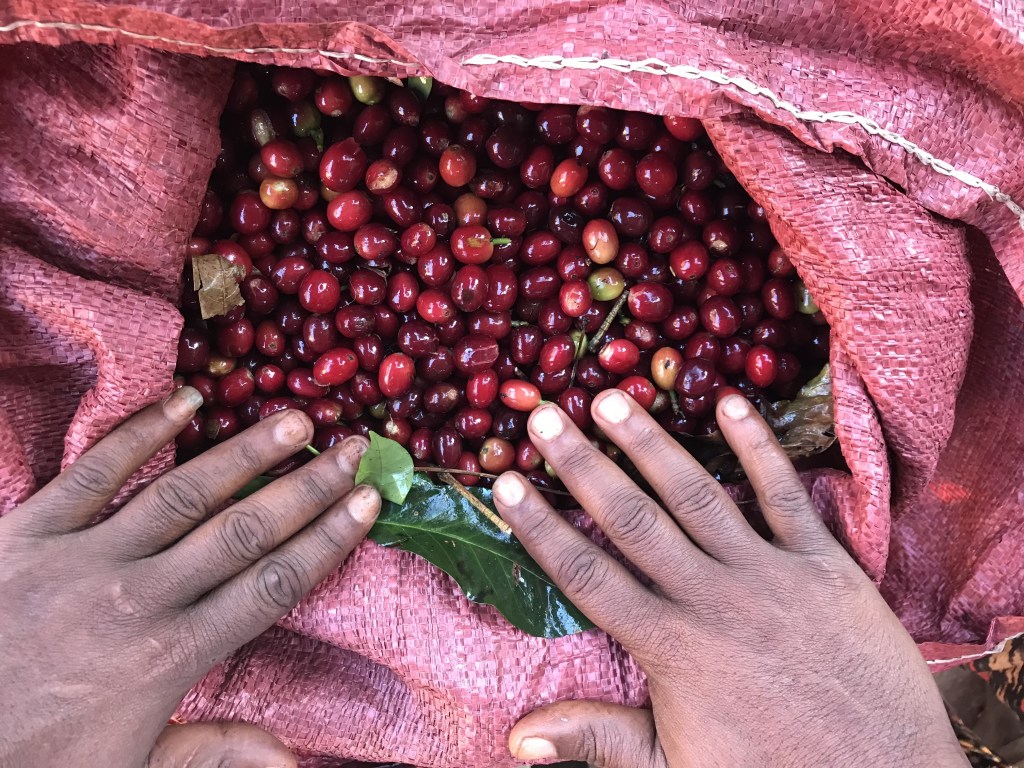
Another key link between Ethiopia and Korea is coffee. Ethiopia is the birthplace of Arabica coffee, the world’s most widely cultivated and celebrated coffee species. It ranks as the fifth-largest coffee producer globally and the top producer in Africa. Ethiopian regions like Kaffa, Jimma, Guji, Sidama, Yirgacheffe, and Harar are renowned for their high-quality beans, many of which make their way to Korea. The coffee harvest season runs from October to February, with peak processing occurring in January and February, drawing coffee buyers and enthusiasts from around the world.
Ethiopia’s coffee culture is deeply ingrained in daily life. The traditional Ethiopian coffee ceremony, akin to East Asian tea ceremonies, involves washing, roasting, grinding, and brewing coffee beans in front of guests. It’s common for participants to enjoy three cups of coffee during the ceremony, repeated up to three times a day. This tradition is so integral that Ethiopia consumes over half of its own coffee production—a rarity among coffee-exporting nations.
The significance of coffee is even reflected in Ethiopia’s diverse terminology. In Amharic, the national language, coffee is called “buna,” but other ethnic groups have their own terms, like bunna, buno, or kahwa. Green coffee beans are known as “tire buna,” while brewed coffee is called “mitata bunna.”
After the pandemic, my recent visit to Ethiopia during the coffee harvest season revealed a wave of innovation. New cafes are popping up, showcasing creative desserts and coffee-based drinks. Notable highlights include “spris,” a blend of coffee and tea with cinnamon, and “cascara,” a drink made from coffee husks, a byproduct of natural coffee processing. Cascara, served warm, offers a mild, date-like flavor, while the iced version with sparkling water provides a refreshing twist.
Exploring these new cafes, sampling unique desserts and coffee menus, I couldn’t help but feel that Ethiopia remains at the forefront of coffee culture. It’s a country where tradition and innovation merge, giving the world some of its most delightful coffee experiences.
Both in Korea and Ethiopia, those who stayed hopeful and prepared during the three-year pandemic are now savoring the diverse and vibrant waves of coffee culture.
Discover more from Coffee Odysseys
Subscribe to get the latest posts sent to your email.

